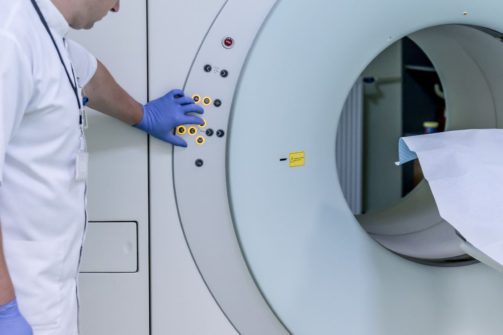
Every person who goes through medical imaging carries a unique mix of hope and uncertainty, a quiet moment where curiosity and fear meet. Someone searching for an MRI booking late at night might be thinking about how quickly they can get answers to something that has been bothering them. The entire process feels deeply personal, even though it is a routine part of modern healthcare.
This is where the growing presence of artificial intelligence begins to gently shape the experience of MRI in surprising ways. AI often sounds like something futuristic, yet in the MRI world, it is becoming a comforting presence. It works behind the scenes like an unseen helper that smooths out the process. It does not try to replace the people involved. Instead, it supports the flow of a patient’s journey from start to finish. The change feels natural, almost quiet, but it touches many moments people remember vividly, from the appointment call to the moment results arrive.
Helping Scans Feel Less Stressful
Many people approach an MRI feeling tense before they even arrive. The long forms, the uncertainty about how long the appointment will take and the simple fear of not knowing what the results will show can all build up. AI has started to ease this weight by making everything move with a little more predictability.

Scheduling becomes smoother because the system can understand patterns in patient flow. Waiting rooms feel slightly calmer because delays become less common. The process starts to feel organised in a way that gives people a sense of control. Instead of watching the clock while sitting in a silent room, patients often notice things move with a steadier rhythm.
This softer experience is created by small improvements that add up. Staff feel less rushed because the system helps with coordination. Patients feel reassured because the visit unfolds the way they expected. The entire environment feels more human when the stress of unpredictability is reduced.
Clearer Images and Kinder Experiences
What many people might not realise is how much AI helps improve the clarity of MRI images. For decades, longer scans were often the only way to capture sharp details. That meant people had to lie still for long periods of time, which could be uncomfortable or frightening.
AI changes that by helping the machine reconstruct high-quality images more quickly. Patients spend less time inside the scanner, which can make the experience feel less overwhelming. Someone who once feared the idea of lying in a narrow space for what felt like forever now finds the process shorter and easier.
Radiologists describe AI as a helpful partner, a tool that gently points them toward areas of interest. It is like having a colleague who highlights a small detail and says, Take another look at this part. The expert still makes the decision, but the guidance helps them work with greater confidence.
Stories That Shape Real Lives
Behind every scan is a person with a story. A parent comforting a nervous teenager. A worker who has ignored back pain for months. An older patient who wants to understand what their body is trying to say. AI influences these stories in ways that feel more human than technical.
Faster images often lead to faster answers. Families experience less waiting time between the scan and the results. When the outcome shows something treatable, the care team can act sooner. When everything looks normal, the relief arrives more quickly. These moments matter deeply because they shape how people remember their healthcare journey.
More Access for More People
One of the most powerful parts of AI in MRI technology is how it opens doors for people who once had limited access. Small clinics can now produce higher-quality images without needing the most advanced or expensive machines. Rural areas that once sent patients to faraway hospitals can now offer better care closer to home.
This shift is more than a convenience. It changes lives. A single parent does not have to take a full day off work to travel for a scan. An older adult no longer needs to worry about arranging long-term transportation. A community healthcare centre can serve its patients without long waitlists. AI is not just improving technology. It is improving access, comfort and fairness.
Supporting the Experts Behind the Scenes
Radiologists carry tremendous responsibility. Their interpretations guide some of the most important decisions in healthcare. AI lightens their load by organising images, identifying patterns and helping them focus their attention on details that matter most.
Instead of drowning in repetitive tasks, radiologists spend more time thinking, evaluating and collaborating with other healthcare professionals. The result is a better environment for the experts who dedicate their lives to understanding the human body through images. When they feel supported, patients benefit in ways that are often invisible but deeply meaningful.
A Future That Feels More Human
People sometimes worry that AI will remove the human touch from healthcare. In MRI technology, the opposite is happening. AI allows staff to focus more on people and less on logistics. It shortens the moments that feel stressful and lengthens the moments that feel supportive.
The future of MRI, shaped by AI, feels more compassionate. Patients get clearer answers, shorter wait times and an experience that feels less intimidating. Healthcare workers gain tools that help them provide care with more ease and accuracy.
Where the Journey Is Heading
As AI continues to grow in the MRI world, the changes will be felt in everyday ways. Faster appointments, easier scheduling, better images and smoother clinic experiences. These are not distant dreams. They are unfolding quietly in clinics across the world.
The story of AI in MRI is not about replacing people. It is about strengthening the connection between patients and the care they receive. It is a story of technology that listens, supports and elevates the human side of healthcare. And that story is only just beginning.